East Texas summers are long, humid, and hard on a house. Add in the red clay and sandy soil common from Flint through Smith County - soil that shifts more than people expect - and the flooring that looks great in a showroom in Dallas isn't always the flooring that holds up out here. This is what we tell customers when they ask which material actually fits an East Texas home.
Slab Foundations Change the Math
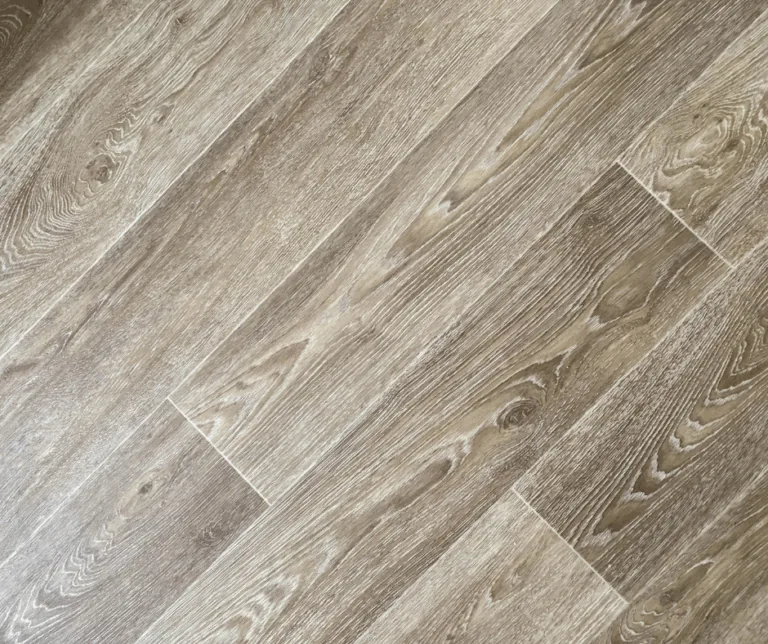
Most homes we work in from Flint to Tyler are slab-on-grade rather than raised pier-and-beam. Solid hardwood doesn't like being glued or nailed directly to concrete - it wants a wood subfloor. That's why we point most slab homes toward engineered hardwood or luxury vinyl plank: both are dimensionally stable over concrete and shrug off the seasonal humidity swings that make solid wood cup or gap.
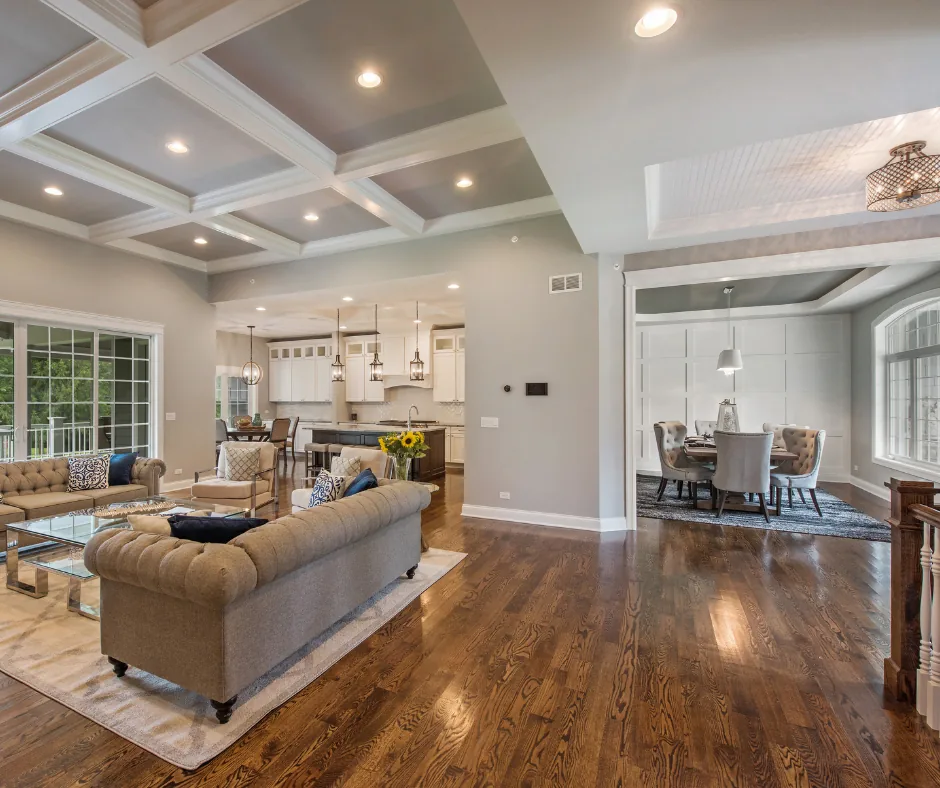
If you already have solid hardwood on a slab and it's original to the house, our hardwood refinishing crew can usually bring it back rather than replace it - worth a look before assuming a full tear-out is necessary.
Humidity and Moisture
Rural Properties, Acreage, and Wells
A lot of our customers around Chandler, Bullard, and out toward Lake Palestine are on acreage with well water and septic rather than city utilities. That doesn't change the flooring choice much, but it does mean entryways and mudrooms take more dirt and moisture than a typical suburban home - another point in favor of LVP or tile at entry points, with carpet or hardwood reserved for the rooms further from the door.
Our Straight Recommendation
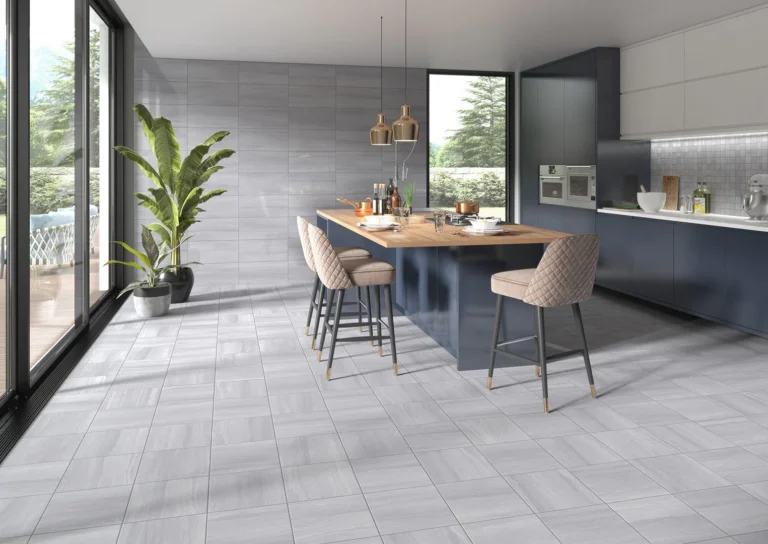
For most East Texas homes we're in and out of, the combination that holds up best long-term is LVP in kitchens, baths, and entries; engineered hardwood or tile in main living spaces; and carpet reserved for bedrooms. It's not the only right answer - see our service areas pages for notes specific to your town - but it's where most quotes end up once we've walked your home.
Not sure which floor fits your house?
Schedule a free in-home estimate